Our strategic equity participations in recycling represent a key lever in the transition towards a genuine circular economy. Their objective is to close material loops — the first step in reducing dependence on primary raw materials and minimising production waste.
Through strategic investments in recycling technologies, sorting facilities and take-back systems, companies secure access to valuable secondary raw materials. Investments in return systems such as RIGK promote recycling at the very stage of product creation.
The strategic investment focus is shifting from pure waste management towards integration within closed value chains, with the finance function — including funding structures and “make-or-buy” decisions — playing a central role.
Our strategic equity participations in recycling form a key pillar of our investment strategy. They combine sustainable resource utilisation with stable cash flows and long-term value creation. We invest selectively in companies and infrastructure that enable the transition from a linear economy to a closed circular economy.
We do not view recycling as waste management, but as resource security. Through equity participations in: recycling companies, modern sorting and processing facilities, take-back systems (e.g. RIGK), logistics and port infrastructure. We secure access to high-quality secondary raw materials and integrate them into closed value chains.
Access to primary raw materials is becoming increasingly geopolitically complex and cost-intensive.
Recycling is evolving into a key industrial capability.
Recycling is no longer merely a waste disposal issue, but an infrastructure investment of strategic significance. Our investment focus is shifting deliberately:
From:
→ pure waste recovery
Towards:
→ integration into closed value chains
→ vertical raw material security
→ industrial resilience
We do not regard recycling as waste management, but as resource security. Through equity participations in: recycling companies, modern sorting and processing facilities, take-back systems (e.g. RIGK), logistics and port infrastructure. We secure access to high-quality secondary raw materials and integrate them into closed value chains.
🔁
95%
Energy Savings in Aluminium Production
♻
60–80%
CO₂ Reduction in Steel Production
🌍
EU Green Deal
compliant
📈
6–8 %
Market growth p.a.
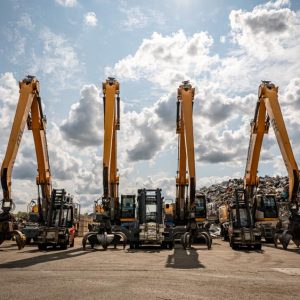
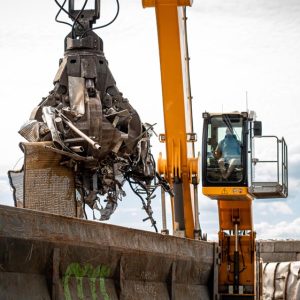
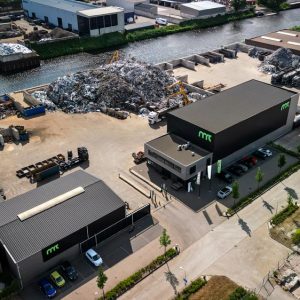
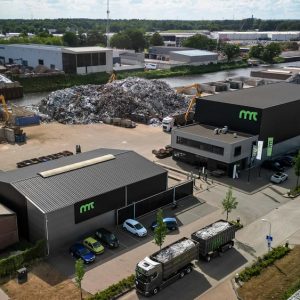
MRT was founded in the 1950s as a family-owned business and has developed over several decades into a modern recycling operation. Its long-standing experience is reflected in continuous investment in infrastructure, machinery and logistics.
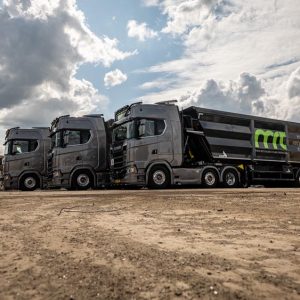
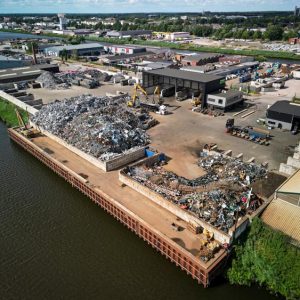
With an operational site covering approximately 20,000 m², including its own loading and unloading quay for vessel handling, the company is strategically well positioned from a logistics perspective. MRT is therefore able to serve both national and international supply chains with secondary raw materials.
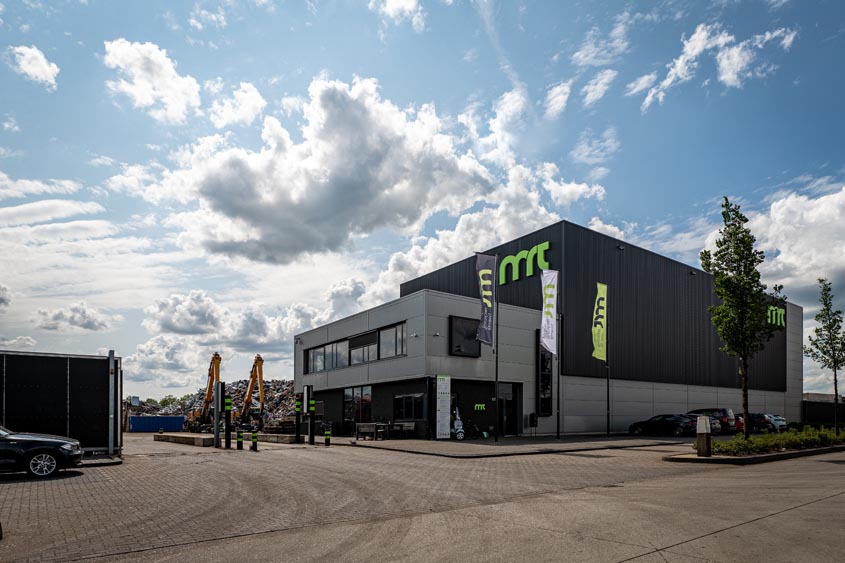
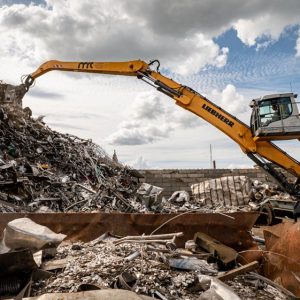
MRT accepts, sorts and processes both ferrous and non-ferrous metals from industry, trade and private customers:
The materials are technically processed and, depending on quality requirements, supplied directly to national and international recycling partners and processors.
MRT is more than a traditional scrap yard:
Supplier of raw materials for industrial processes: by providing high-quality secondary metals
Part of closed material cycles: MRT acts as a link between material suppliers and the processing industry
Commitment to sustainability and quality: through membership of industry associations and relevant certifications, quality assurance and environmental management form core corporate values
MRT complies with all relevant statutory requirements and holds recognised certifications, including:
ISO 9001 (Quality Management)
ISO 14001 (Environmental Management)
Membership of the Metaal Recycling Federatie (MRF)
Additional national and international standards and audits
These standards ensure not only regulatory compliance, but also high internal quality and environmental management standards.
The recycling of metals represents a key lever in reducing raw material consumption and CO₂ emissions. MRT actively contributes to the circular economy through:
returning scrap metals to industrial value chains,
reducing dependence on primary raw materials,
preventing landfill disposal or improper waste handling.
This contribution is not only environmentally significant, but also economically valuable in times of volatile commodity prices and constrained supply chains.